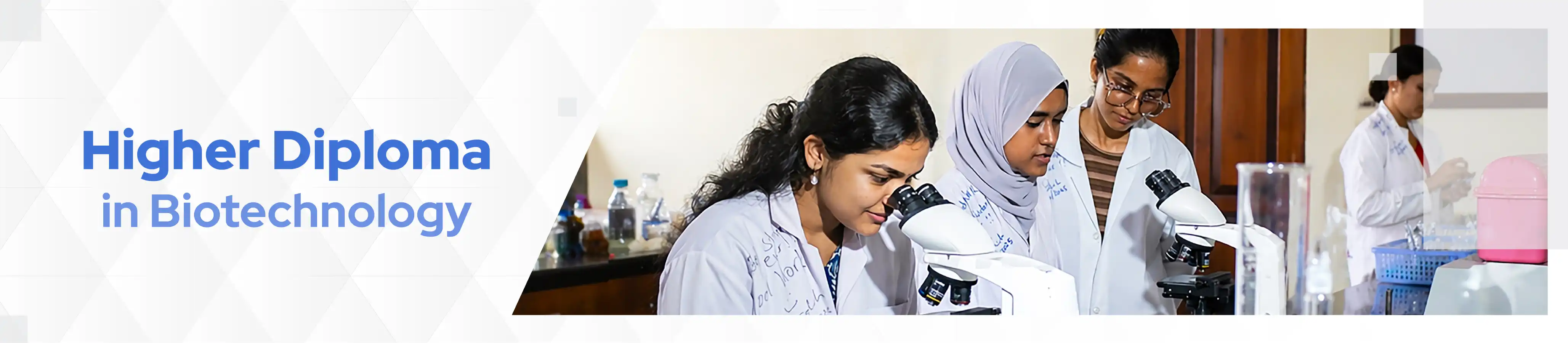
The Higher Diploma in Biotechnology programme is designed specifically for students interested in the areas related to biotechnology and its applications, especially in the fields of Healthcare, Food industry, Agriculture, Biofuels, Pharmaceuticals, Aquaculture and Bioinformatics. Through the programme, students will gain knowledge in Biotechnology and obtain transferable skills such as laboratory techniques, data analysis, interpersonal and teamwork skills, for further studies and employment in fields related to Biotechnology.
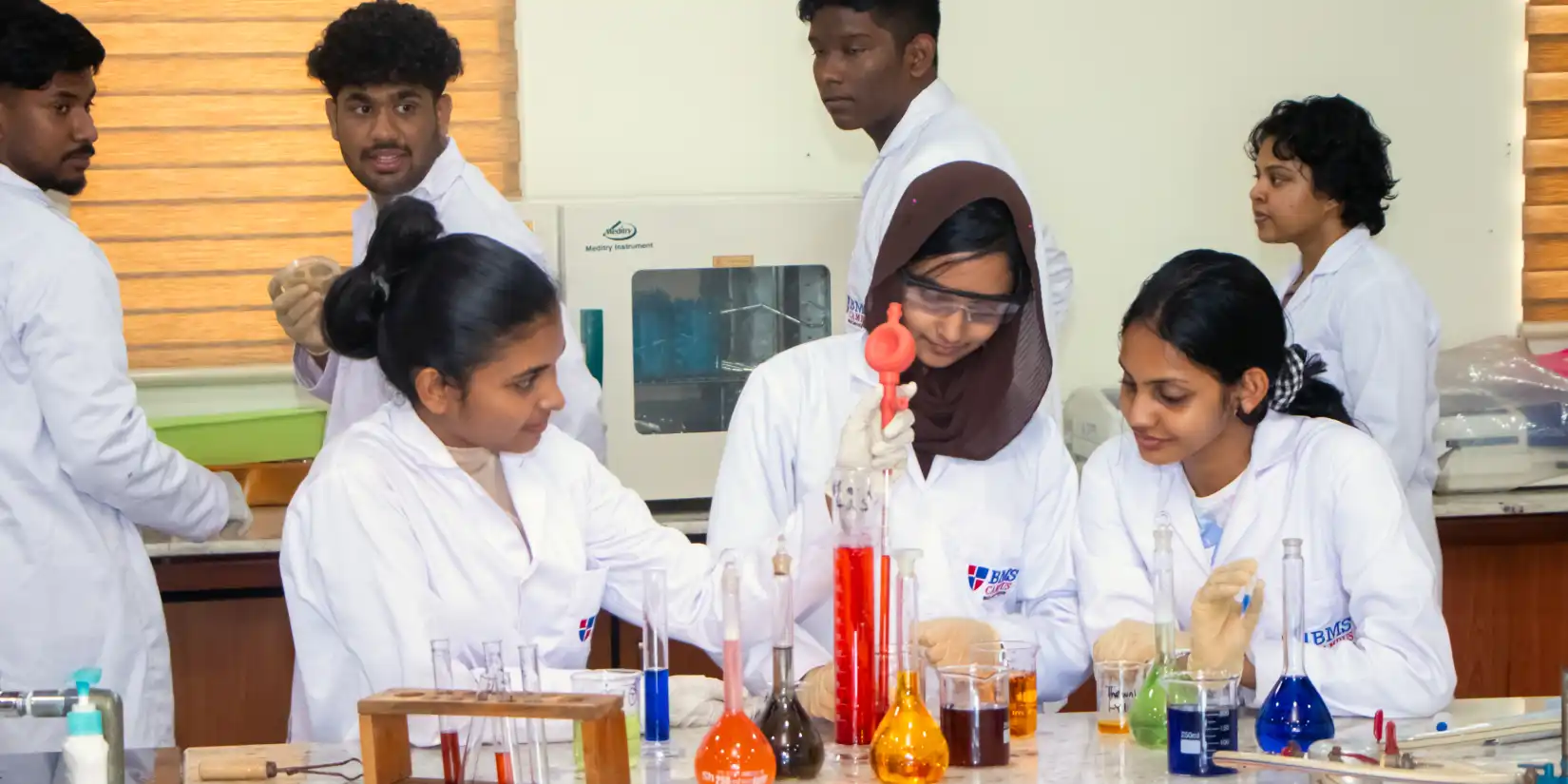
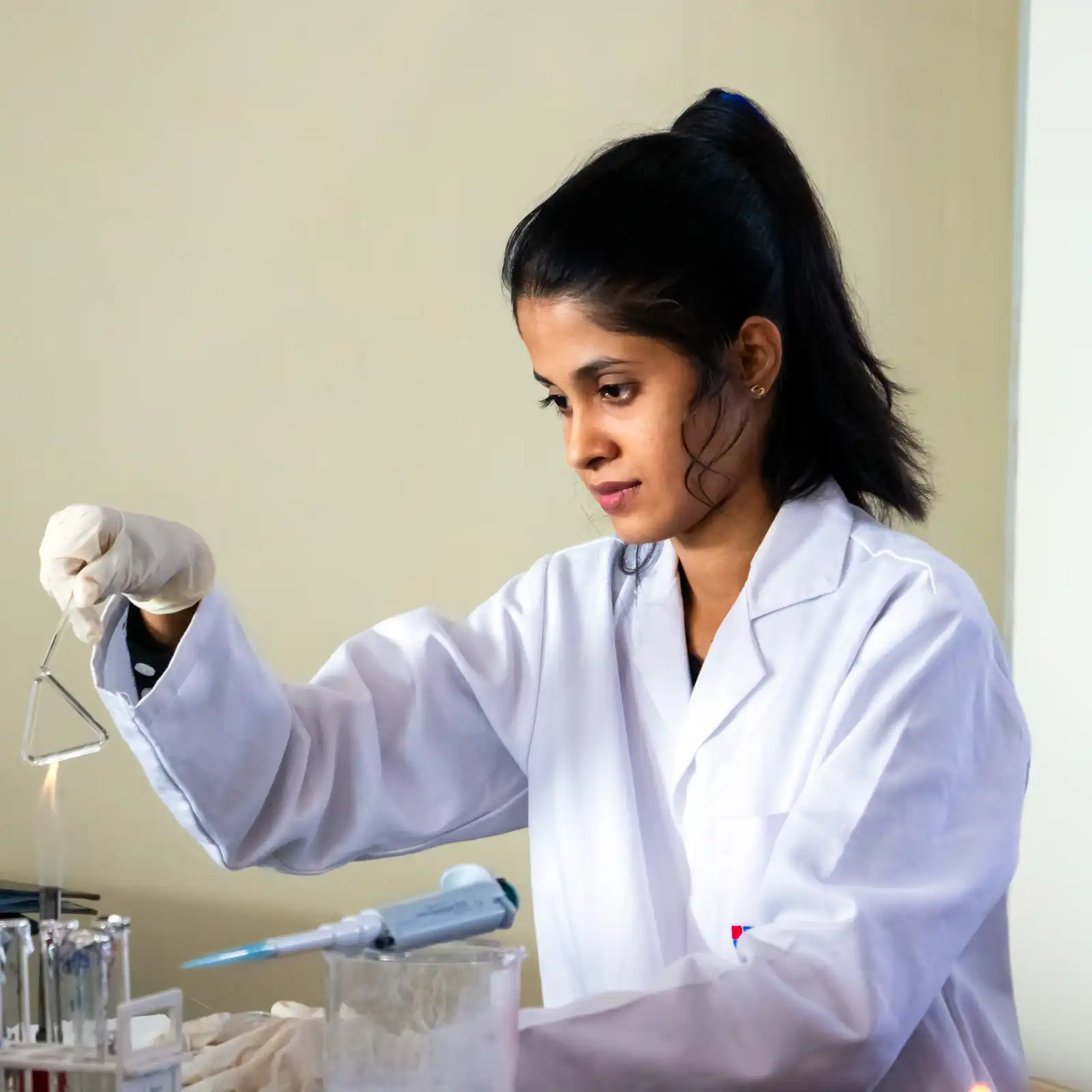
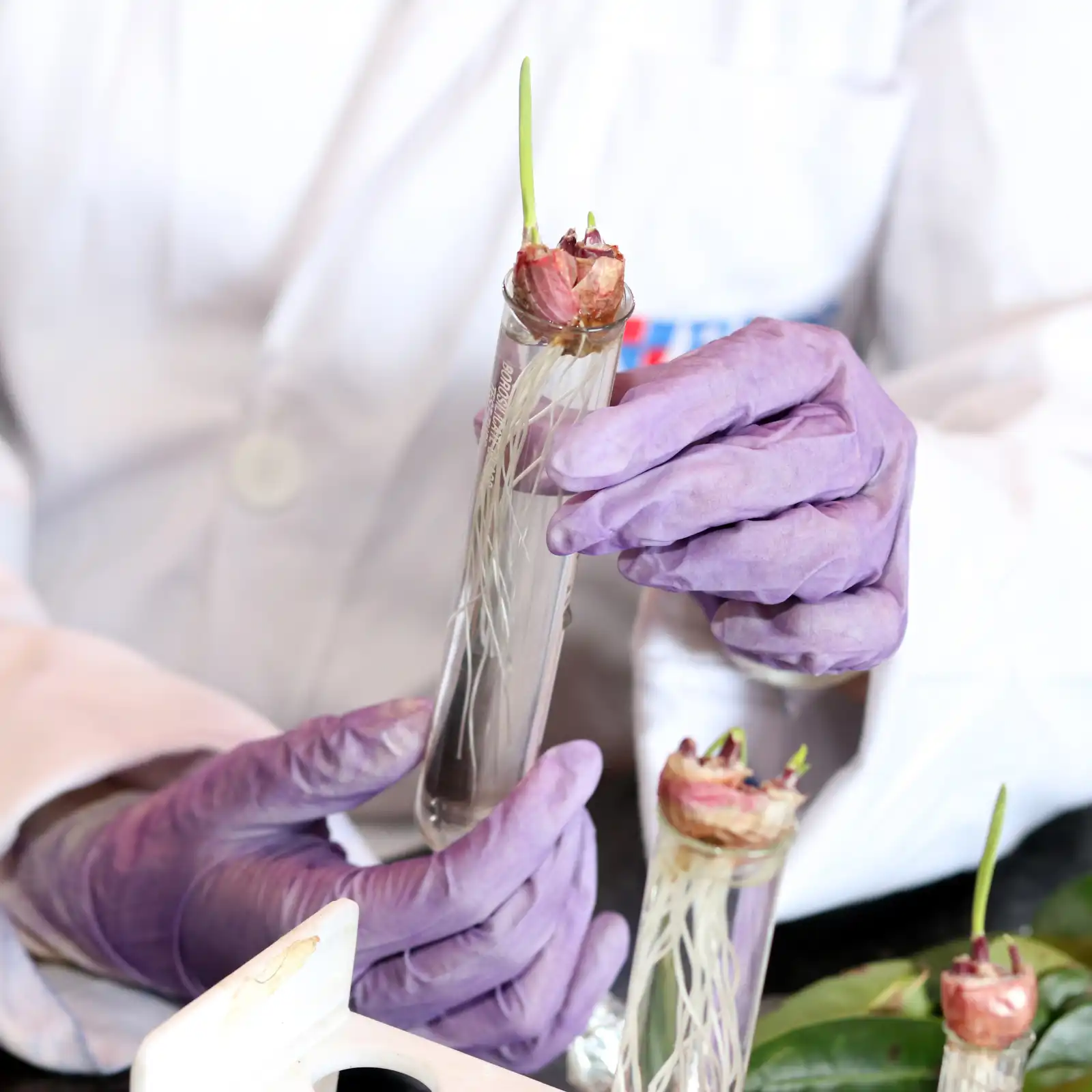
Students who successfully complete the HD in Biotechnology, can transfer to a Northumbria University Biotechnology Degree.
Higher Diploma in Biomtechnology is made up of sixteen modules and a Research Project, which comprise of 240 credits with progression to the final year of Northumbria University BSc (Hons) Biomedical Science Degree at BMS or in the UK
| Year 1: Semester 1 | |||
|---|---|---|---|
| Code | Module | Hours | Credits |
| BIMT 411 | Cell Biology | 150 | 15 |
| BIMT 412 | Biochemistry | 150 | 15 |
| BIMT 413 | Chemistry for Biology | 150 | 15 |
| BIMT 414 | Microbiology | 150 | 15 |
| BIOM 415 | Scientific and Laboratory Skills | 100 | 10 |
| BIMT 410 | Academic Writing and Study Skills | 200 | 0 |
| Year 1: Semester 2 | |||
|---|---|---|---|
| Code | Module | Hours | Credits |
| BIMT 426 | Molecular Biology and Genetics | 150 | 15 |
| BIOM 427 | Food & Industrial Biotechnology | 150 | 15 |
| BIOM 428 | Bioinformatics | 100 | 10 |
| BIMT 429 | Science Laboratory Management | 100 | 10 |
| Year 2: Semester 3 | |||
|---|---|---|---|
| Code | Module | Hours | Credits |
| BIMT 531 | Work-Based Internship | 150 | 15 |
| BIMT 532 | Biology of Disease | 150 | 15 |
| BIOM 533 | Nanotechnology | 150 | 15 |
| BIOM 534 | Plant & Environmental Biotechnology | 150 | 15 |
| BIMT 535 | Analysis of Scientific Data | 150 | 15 |
| Year 2: Semester 4 | |||
|---|---|---|---|
| Code | Module | Hours | Credits |
| BIOM 546 | Applied Biotechnology | 150 | 15 |
| BIMT 547 | Research Project | 300 | 30 |
Biotechnologists use biological organisms to create and improve products and processes in fields such as medicine, agriculture, industry and environmental conservation. They study physiochemical and genetic attributes of cells, tissues and organisms, and identify their applicability. Biotechnologists use cutting edge technologies such as genetic modification and nanotechnology in addition to developing new medicine, therapies and diagnostic methods; using bacteria and enzymes in food production and waste treatment; and cross-breeding plants and animals to obtain beneficial characteristics.

Northumbria University and BMS have built a strong partnership over the past 25 years. This partnership has resulted in diverse degree pathways in Business and Management, Biomedical Science, Banking and Finance, Biotechnology, and Design. The Northumbria - BMS partnership has produced graduates who have made significant contributions locally and globally.